It Takes Years to Build True Fans. Here's What That Actually Looks Like.
By Noah Cronin · Sea Major Seven Studio · Honolulu, Hawaii
Nobody tells you how long the early years feel. You're putting in the work, releasing music, showing up to gigs, and for a while it feels like kicking rocks. Nothing seems to move. And then slowly, almost without you noticing, something starts to click. I've watched this play out enough times to know it's not random — and it's not fast.
The timeline nobody wants to hear
From what I've seen working with artists across reggae, Pacific music, and beyond — 3 to 5 years is when momentum starts to feel real. Not overnight success. Not a sudden breakthrough. Just a gradual accumulation of shows played, songs released, and listeners who actually care starting to find you.
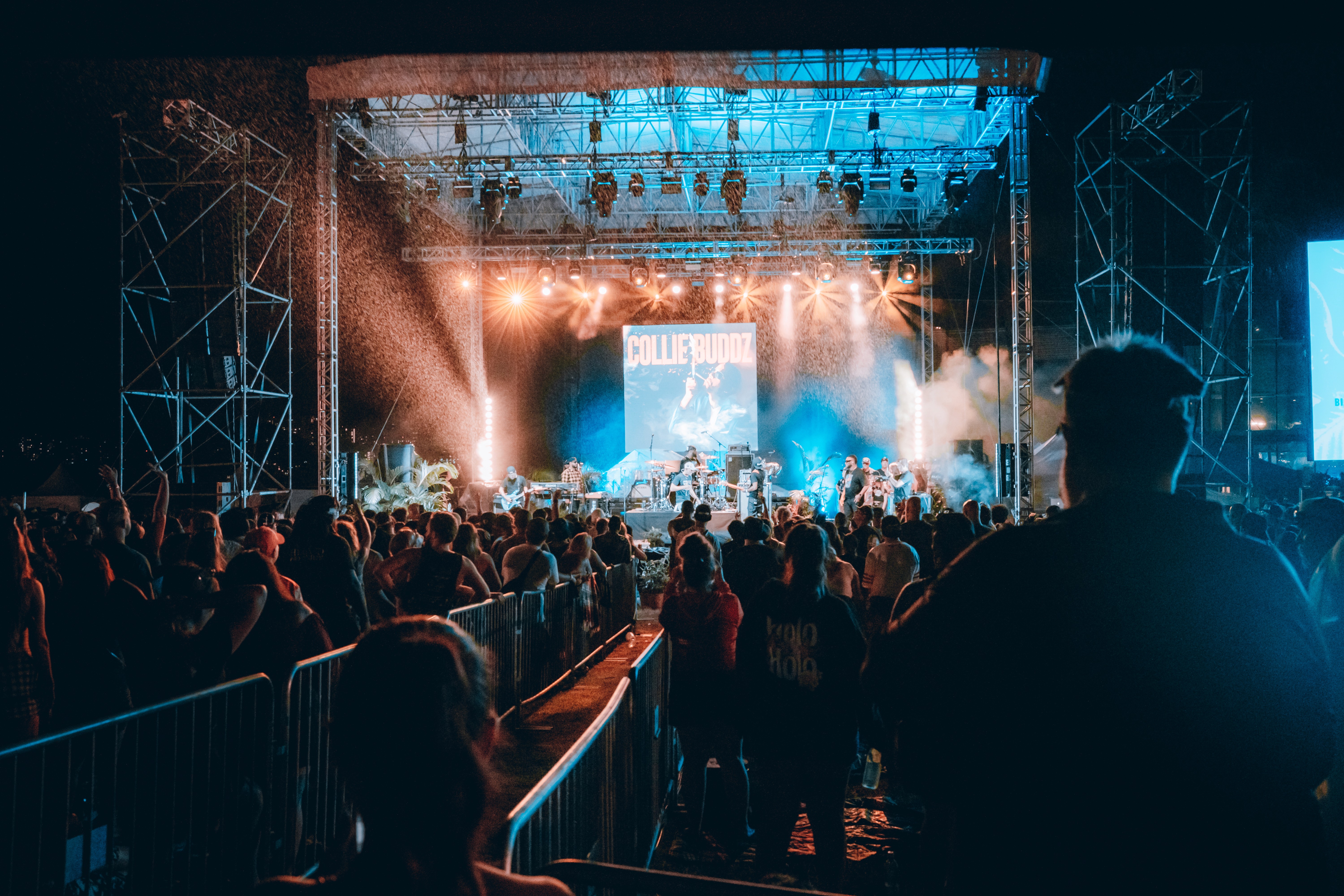
Around the 10 year mark is when you start seeing the sold out shows. The headlining slots. The tours. It sounds like a long time and it is. But the artists who get there aren't the ones who found a shortcut — they're the ones who kept going when it still felt like kicking rocks.
The early years aren't wasted time. They're the foundation. Every show you play to 30 people, every song you release that gets 200 streams — you're building something even when it doesn't feel like it. The fans who find you in year two are often your most loyal ones by year ten. And those early years are where you learn — how to perform, how to talk about your music, how to handle the show that goes sideways and the release that lands quietly. That education doesn't come any other way.
What "true fans" actually means
There's a difference between someone who streams your song once and someone who shows up to your show, buys the merch, sends your music to their friends, and comes back for the next release. The first is a number. The second is a fan.
True fans aren't built through algorithms. They're built through trust — the feeling that this artist is real, that what they're making matters, that there's something here worth following. That trust takes time to establish and it can't be manufactured. It has to be earned one song, one show, one genuine moment of connection at a time.
The goal early on isn't scale. It's depth. Ten people who genuinely love what you do are worth more than ten thousand passive listeners who forget you by tomorrow.
Going viral isn't the shortcut it looks like
I've seen artists go viral. And I've seen what happens next — which is often not what they expected.
A song gets picked up by an algorithm, a sound goes everywhere, the numbers spike. And then the follow-up drops and it's crickets. Because the people who shared that viral moment weren't fans of the artist — they were fans of a moment. They liked the sound, the trend, the 15 seconds. They were never invested in the person behind it.
The one hit wonder story isn't just about not having a good second song. It's about what the first song was built on. If it was built on a catchy hook that fit a trend, the audience that came with it will leave when the trend moves on. If it was built on something real — a genuine voice, a true perspective, music that only that artist could make — some of those people stick around. They want to know what comes next.
Viral can accelerate the timeline. But it can't replace the work of converting attention into trust. That still takes consistency, shows, and time. The work doesn't disappear. It just changes.
What the kicking rocks phase is actually for
When you're in the early years and nothing seems to be moving, it's easy to think you're doing something wrong. You're not. You're doing exactly what the process requires.
Those years are where you find your sound — really find it, not just in the studio but in front of people. They're where you learn how to perform, how to talk about your music, how to handle the show that goes sideways and the release that lands quietly. They're where you build the muscle that makes everything else possible later.
The artists I've seen make it through to the other side — to the sold out shows and the real touring — aren't necessarily the most talented ones from the beginning. They're the ones who stayed in it long enough to become who they needed to be. The ones who treated the kicking rocks phase not as failure but as training.
There's always a next level
One more thing worth saying — and this comes from my own experience at 16 years in: you don't arrive. There's no finish line where the journey is complete and you've made it.
I'm 16 years into this and I still feel like I'm just getting started. Because every phase of a career opens up a new one. The veterans I respect most are still learning, still growing, still stepping into the next leg of what their career can be.
The early years are for building the foundation. But every phase after that is still the process. A lot of artists hit a certain level and then realize they're just stepping into the next chapter — whether that's a new sound, a new market, a new role in the industry. That's not starting over. That's evolving.
Enjoy the ride — all of it, not just the destination you think you're heading toward.
Release the music. Play the shows. Trust the timeline. The goal isn't to blow up — it's to build something that lasts. One song, one show, one listener at a time.
Where are you in the timeline right now? I'd genuinely love to hear — whether you're in the kicking rocks phase or starting to feel the momentum build. Drop it in the comments.
Based at Sea Major Seven Studio in Honolulu, Hawaii. Working with independent artists on mixing, mastering, and music production — worldwide. If you're ready to work on your next project, the booking page is open.